
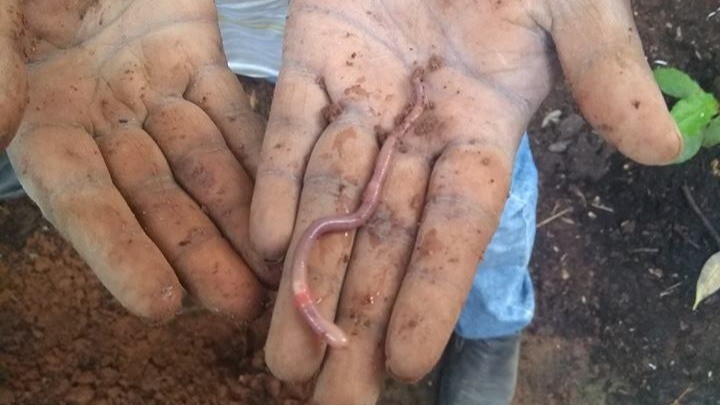
Vermicomposting at home is the process of using earthworms to convert daily kitchen waste into nutrient-rich compost called vermicast — and a small household setup can process up to 1 kg of organic waste per day.
What Is Vermicomposting at Home?
Of the three primary methods of managing wet kitchen waste at home including aerobic composting, vermicomposting, and biogas generation through fermentation, vermicomposting is the most nutrient-dense in output.
Unlike aerobic composting which relies on microbial activity and airflow, vermicomposting relies on earthworms. Each worm ingests organic matter, digests it, and excretes castings that are rich in beneficial bacteria, nitrogen, phosphorus, and potassium. The result is one of the most complete natural fertilisers available for home gardens.
A typical Indian household generates approximately 1 kg of waste per day. Of this, nearly 800g is wet organic matter that is fully compostable at source. The remaining 100g is dry recyclable material like paper and plastic, and only about 100g is true rejected waste requiring external disposal.
Vermicomposting captures that 800g and turns it into a resource.
Vermicomposting vs Aerobic Composting
Both methods share basic requirements. Both need a space protected from direct sunlight and rain with adequate ventilation. Both require waste to be kept consistently moist. Not dry. Not waterlogged.
The differences are practical and important:
Aerobic composting uses microbial activity and airflow to break down waste. It handles larger volumes, works faster, and requires less monitoring once established. It is the preferred method for community composting at scale.
Vermicomposting uses earthworms as the primary decomposers. It produces richer compost but works at smaller volumes and requires more consistent care. Moisture levels, temperature, and food inputs all need monitoring.
For most urban Indian households, aerobic composting is the more practical daily solution. Vermicomposting is an excellent choice for those willing to invest the attention it requires.
What You Need to Start Vermicomposting
The initial investment is minimal. Here is what a functional home vermicomposting setup requires:
A container: A wooden box, large cardboard carton or plastic crate approximately 30 cm wide, 45 cm long and 30 cm tall. Punch holes on the sides and bottom for aeration. Cardboard is the lowest cost starting point and works effectively if moisture is managed correctly.
Bedding material: A potting mix of organic compost and cocopeat works best as the base layer. It is light, easy to work with and provides the right moisture retention. Natural red soil can be used but is heavy and difficult to manage in small spaces. A 5 to 10 kg bag of potting soil is adequate to begin.
Tools: A small trowel or garden fork for working through the pile and pushing waste beneath the surface.
Earthworms: Any garden or open field not treated with chemical pesticides will have earthworms. The best time to collect them is just after the rains when the ground has been wet for several days. Dig a few inches into the soil with a garden fork. Earthworms burrow below the surface to avoid predators and light. Collect 5 to 10 worms along with surrounding soil. Earthworms are available online but survival in transit is unreliable. Sourcing locally from a garden is more dependable.
Step-by-Step Vermicomposting at Home Process
Step 1. Spread a one inch layer of potting soil at the bottom of the container. Wet it until evenly damp.
Step 2. Add a layer of kitchen waste or garden clippings such as green leaves and stems.
Step 3. Place the earthworms directly onto the waste layer.
Step 4. Cover the worms and waste with another layer of potting soil. Wet this layer too until the entire pile is uniformly moist.
Step 5. Cover the top with a weighted lid or heavy board to prevent access by rats or cats.
Step 6. Add fresh kitchen waste every few days. Push it beneath the surface each time. Earthworms stay below the surface and will not come up to feed. Waste left on top will not be processed efficiently.
Step 7. Check moisture levels regularly. Sprinkle water and gently turn the pile to ensure lower layers remain damp. A dry pile is the single most common cause of worm loss.
Step 8. Begin harvesting compost after 4 to 6 weeks by removing thin layers from the top. As you remove material, earthworms will burrow deeper. Remove only the top 50 to 75 percent of the pile so a worm-rich layer remains at the bottom to seed the next batch.
What Kitchen Waste Can Be Composted
Suitable inputs include vegetable peels, cooked food, fruit scraps, green garden clippings, tea leaves, coffee grounds and eggshells.
Earthworms are reported to avoid citrus fruits and onions. In practice, small quantities of both are generally processed without issue as other microbial activity in the same pile handles what the worms do not.
Avoid oily food, heavily spiced cooked food, meat and dairy. These attract pests and create odour problems.
The Most Common Mistake
Allowing the pile to dry out completely. This is the single most damaging error in vermicomposting. When moisture drops below the threshold earthworms need, the entire population is lost.
Check the pile every two to three days. Sprinkle water whenever the surface feels dry. Turn the pile gently to check that lower layers are also moist and that the worms are active and healthy.
Why Vermicomposting is Underused in Urban India
Despite producing superior compost, vermicomposting has not scaled in urban Indian homes for three practical reasons.
First, earthworms are sensitive to heat. Bangalore’s climate is relatively forgiving but apartments on upper floors or in poorly ventilated spaces can get too warm for consistent worm health.
Second, the space required for meaningful output can exceed what is available in most apartments.
Third, sourcing replacement earthworms after a batch loss is genuinely difficult in most Indian cities.
For apartment residents and urban households looking for a more reliable and lower maintenance alternative, passive aerobic composting offers a practical solution. The Marigold Mini Composter is designed specifically for households generating up to 1 kg of kitchen waste per day. It requires no earthworms, no moisture monitoring and zero electricity. Compost is ready in 4 to 6 weeks.
Frequently Asked Questions
What is vermicomposting? Vermicomposting is the process of using earthworms to decompose organic kitchen and garden waste into nutrient-rich compost called vermicast or worm castings. It is one of three primary methods of home composting alongside aerobic composting and biogas generation.
How much kitchen waste can a home vermicomposting setup handle? A small home setup with an active worm population can process up to 1 kg of organic kitchen waste per day. Output depends on the number of earthworms and the volume of waste fed to them consistently.
Does vermicomposting produce any smell? A well managed vermicomposting setup produces no significant odour. Smell indicates either excess moisture, the wrong inputs such as meat or oily food, or insufficient aeration. Correcting these conditions eliminates odour.
Will earthworms escape from the container? No. Earthworms actively avoid light and dry conditions. As long as the environment inside the container is moist and has organic material to feed on, earthworms will stay in the pile and burrow deeper when disturbed.
How long does vermicomposting take? The first usable batch of compost is typically ready in 4 to 6 weeks. Once the system is active and the worm population has grown, composting becomes continuous. Speed increases with worm population and consistent waste inputs.
What is the difference between vermicompost and regular compost? Vermicompost contains higher concentrations of nitrogen, phosphorus and potassium compared to standard aerobic compost. Worm castings also contain beneficial bacteria and enzymes that improve soil structure and plant health. It is considered one of the richest natural fertilisers available for home gardens.
Is vermicomposting better than aerobic composting? Both methods have distinct advantages. Vermicompost is richer in nutrients but requires more consistent management. Aerobic composting handles larger volumes, requires less attention and is better suited to most urban households. The right choice depends on the household’s waste volume, available space and willingness to monitor the system regularly.
Can I compost cooked food through vermicomposting? Yes. Cooked food including rice, dal and vegetable preparations can be composted in moderate quantities. Avoid oily or heavily spiced food as these attract pests and can disturb the worm environment.
Every kilogram of kitchen waste composted at source is one less kilogram adding to Bangalore’s overflowing landfills. Whether through vermicomposting or passive aerobic composting, managing waste at source is the most direct action a household can take toward a circular and regenerative way of living.