
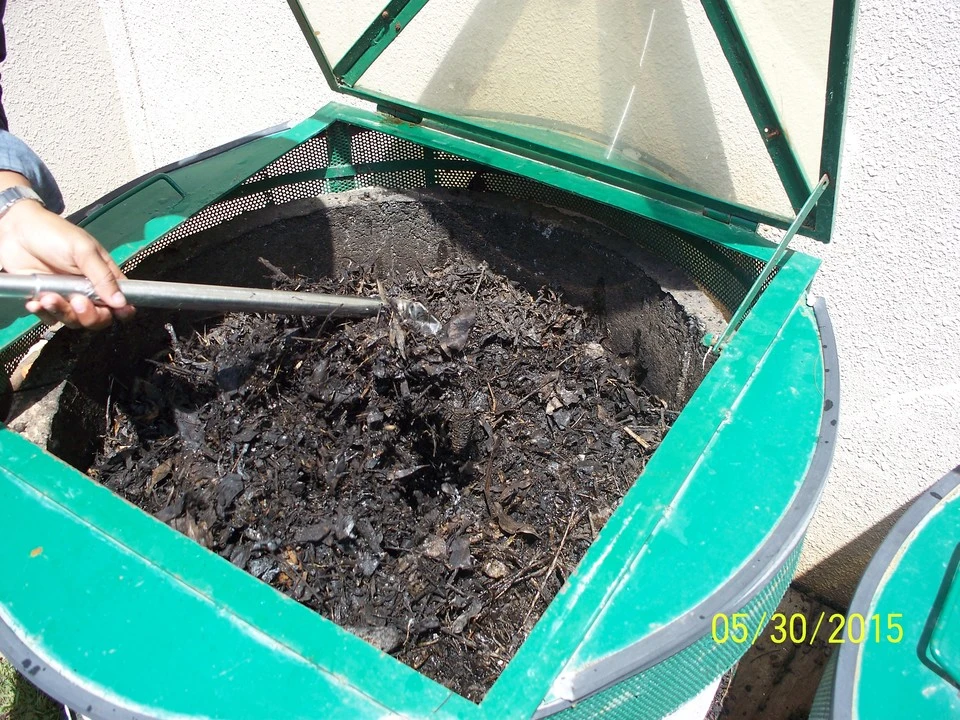
Learning how to compost kitchen waste at home is simpler than most people think — but not long ago, composting was a word most city dwellers rarely used. Today, it comes up often in conversations across apartment complexes, but usually in the past tense. “We tried it.” “It didn’t work for us.” “It started to smell, so we stopped.”
We understand that response completely. Many of us at Prudent Eco Systems have been through the same journey, with our share of failed attempts before we got the process right.
Here is the truth about composting: it is a lot like cooking. There are recipes that work, and there are habits that quietly ruin the outcome. The difference is forgiving, though — unlike a burnt dish, composting always ends in compost. Decomposition is a natural process that will happen regardless of what you do. What you actually control is how it happens.
So the real question isn’t whether your waste will break down. It is:
- Does it smell bad?
- Is liquid leaching out?
- Are there maggots and flies?
If the answer to any of these is yes, the recipe is off. What you have is not a composting system — it is a garbage pile in slow motion.
Why Closed Bins and Plastic Bags Smell
Take a handful of wet kitchen waste and seal it inside an airtight container or a plastic bag. Within a day, the smell turns sharp and unpleasant.
This is anaerobic decomposition at work — bacteria breaking down organic matter in the absence of oxygen. The by-products are a mix of foul-smelling gases, including methane, which is a potent greenhouse gas and a contributor to ozone layer damage.
In other words, the bad smell is not just unpleasant. It is a signal that the process is causing environmental harm.
How to Compost Kitchen Waste at Home: The Aerobic Recipe
Now take the same kitchen waste and spread it out in the open, where it can breathe. The smell drops dramatically, or disappears altogether. This is aerobic decomposition — the same biological process, but with oxygen involved. The by-products here are mostly carbon dioxide and nitrogen, both odorless and already part of the air around us.
This is what makes aerobic composting the right answer for how to compost kitchen waste at home without smell or mess.
This is the process we want. And it follows a simple recipe:
1. Balance wet and dry waste. Kitchen waste is rich in nitrogen and full of moisture. On its own, it turns into a wet, dense mass that quickly goes anaerobic. To compost it well, mix it with roughly half its volume of dry, carbon-rich material — dry leaves work beautifully.
2. Let the dry waste do the heavy lifting. The dry leaves absorb excess moisture, which is what prevents leaching. They also create air pockets in the mix, allowing oxygen to reach the microbes doing the work.
3. Mix periodically. Clumps are where things go wrong. Inside a tight clump, oxygen cannot reach the centre, and a small pocket of anaerobic decomposition begins — the source of that familiar bad smell. A simple turn or stir every few days keeps the system aerated and the process clean.
When the recipe is followed, composting is fast, neat, and surprisingly low-effort.
The Time It Actually Takes
A common worry we hear is that composting will become another chore in an already busy day. In practice, it is one of the lighter habits a household can build.
- For an individual home: 5 to 10 minutes a day.
- For a 60-home apartment complex: roughly an hour of work a day, shared across a maintenance routine.
That is the scale of effort required to stop sending wet waste out of your home or community.
Why This Matters Beyond Your Kitchen
When you learn how to compost kitchen waste at home, every kilo of wet waste composted on-site is a kilo that does not get trucked across the city to a landfill. Multiply that across an apartment complex, then across a neighbourhood, then across a city, and the picture changes quickly. Less fuel burned in transport. Less methane released from landfills. Less pressure on land that was never meant to hold our food scraps. And in return, a steady supply of nutrient-rich compost that feeds gardens, balconies, and farms.
This is the shift we work towards at Prudent Eco Systems — composting that is practical enough for a single kitchen and scalable enough for an entire community.
If you’re still figuring out how to compost kitchen waste at home, the Marigold range is built around exactly this recipe — passive aerobic technology, no additives, no complicated steps. Just a system designed to make composting work the way it is supposed to, whether you’re starting in a single kitchen or setting it up for a 200-home community.
Explore the range at https://marigoldcomposters.com/